
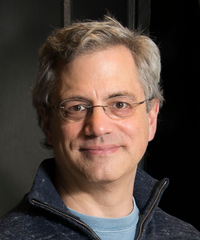
Gary Yellen, Ph.D.
LIVE - Gary Yellen - Faculty Profile by Neuro Coordinator
Gary Yellen, PhD
Title: Dr. George Packer Berry Professor of Neurobiology, Department of Neurobiology, Harvard Medical School
Email: gary_yellen@hms.harvard.edu
Website: yellen.hms.harvard.edu
The Goal
The Yellen lab studies how the brain uses energy and how this affects electrical activity in the brain.
The Impact
Our interest in the interplay between neural metabolism and excitability started with the ketogenic diet (a high-fat, low-carb diet found to calm overactive brain cells), but our studies now delve into the very basics of neural metabolism. We develop new tools for visualizing cell energy metabolism in real time. Understanding how neurons mobilize energy to meet their demands could help us understand and treat energy failure that could occur in neurodegenerative diseases.
A Closer Look
The Harvard Gazette, May 2012 – “Unraveling the secrets of the epilepsy diet”
Harvard researchers showed that tweaking a brain protein (BAD) can shift neurons to ketone-based metabolism, activate a protective potassium channel, and reduce seizures in mice — hinting at a drug that could mimic the ketogenic epilepsy diet without strict dieting.
Harvard Medical School / Dana-Farber Cancer Institute, May 2012 – “Reverse engineering epilepsy’s ‘miracle’ diet”
Gary’s research on the ketogenic diet, which protects against epileptic seizures, reveals a pathway that shows promise in the development of interventions which mimic the diet’s benefits without the need for adhering to strict regimens.
Biophys J
View full abstract on Pubmed
Neuron
View full abstract on Pubmed
Biophys J
View full abstract on Pubmed
Proc Natl Acad Sci U S A
View full abstract on Pubmed
Science
View full abstract on Pubmed